 Feb, 5 2026
What is Athlete’s Foot?
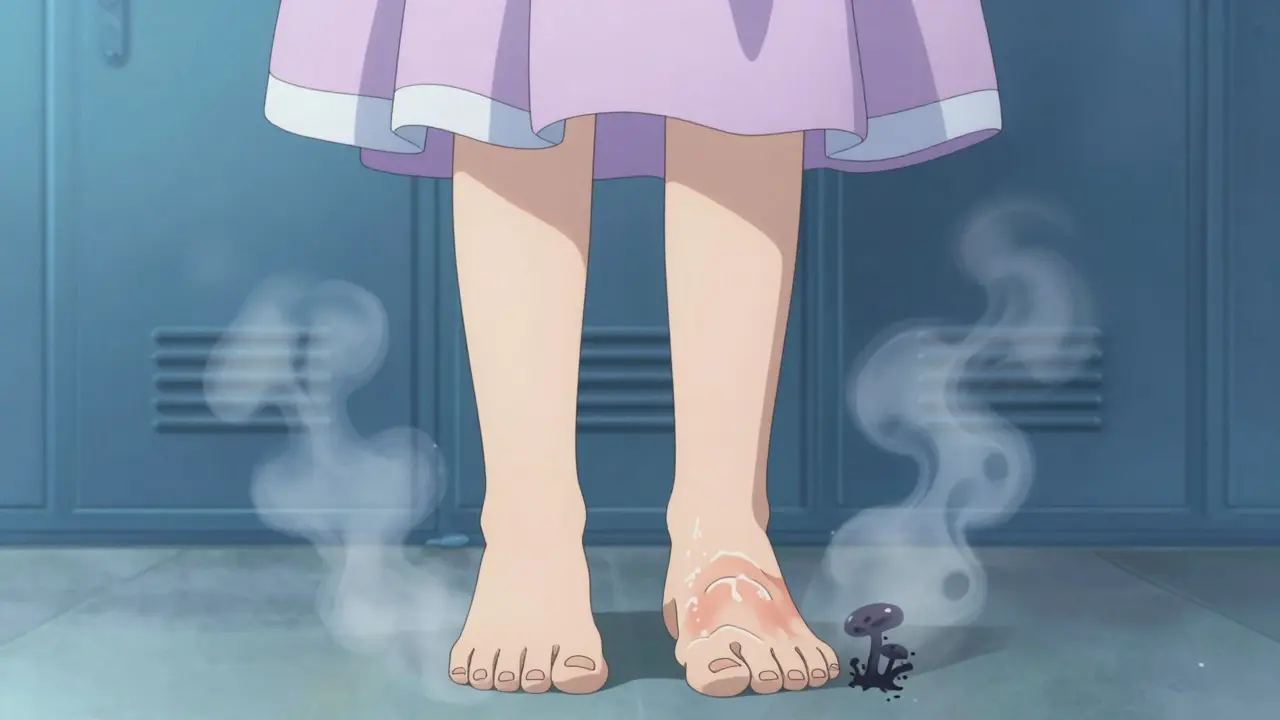
Athlete’s foot is a common fungal infection caused by dermatophytes, especially Trichophyton rubrum. These fungi thrive in warm, moist places like locker rooms and public showers. They feed on keratin in your skin, nails, and hair, which is why they love your feet.
Most cases (70%) happen between your toes, causing itching, peeling skin, and cracks. Another 20% appear as "moccasin type"-dry, scaly skin on the soles and sides of your feet. The rarest form (10%) is vesicular, with fluid-filled blisters. DermNet NZ experts confirm that athlete’s foot doesn’t go away on its own. Left untreated, it can lead to serious complications like cellulitis or bone infections, especially for people with diabetes.
What is Candida Infection?
Candida albicans is the main culprit behind most yeast infections. This yeast-like fungus grows in warm, damp areas like the vagina, mouth, or skin folds. The CDC reports that 75% of women will have at least one vaginal yeast infection in their lifetime. Oral thrush (white patches in the mouth) is common in people with weakened immune systems, like those with HIV/AIDS.
Unlike athlete’s foot, Candida infections can affect non-keratinized tissues. For example, vaginal yeast infections cause intense itching, redness, and thick white discharge. Oral thrush creates creamy white lesions that bleed if scraped. Healthline notes that 90% of people with AIDS develop oral thrush, while healthy adults rarely do. This shows how immune health plays a big role in Candida outbreaks.
Key Differences Between the Infections
| Feature | Athlete’s Foot | Candida Infection |
|---|---|---|
| Cause | Dermatophytes (e.g., Trichophyton rubrum) | Candida albicans |
| Common Sites | Feet (between toes, soles) | Vagina, mouth, skin folds |
| Symptoms | Itching, peeling skin, cracks, blisters | Redness, white discharge (vaginal), white patches (mouth) |
| Primary Treatment | Topical terbinafine or clotrimazole | Oral fluconazole or topical antifungals |
| Prevention | Keep feet dry, change socks daily | Manage blood sugar, avoid unnecessary antibiotics |

Antifungal Treatments That Work
For mild athlete’s foot, terbinafine cream is a top choice. Clinical studies show 70-80% of people see improvement within 2-4 weeks. Lamisil (terbinafine) has a 4.2/5 star rating on Trustpilot, with 78% of users reporting relief in just one week. For stubborn cases, doctors often prescribe oral terbinafine (250 mg daily for 2-6 weeks).
Whitfield’s ointment (3% salicylic acid + 6% benzoic acid) works well for interdigital athlete’s foot. DermNet NZ data shows 65% clearance after 4 weeks. For Candida infections, fluconazole (150 mg weekly) is common for vaginal yeast infections. Newer options like ibrexafungerp (Brexafemme) were FDA-approved in 2021 for resistant cases.
Topical antifungals like clotrimazole are effective but have higher recurrence rates (up to 40% within a year). Oral treatments reduce recurrence to 15-20%. Cleveland Clinic stresses that you must keep using the medication for 1-2 weeks after symptoms disappear to fully kill the fungus.
Prevention Strategies That Last
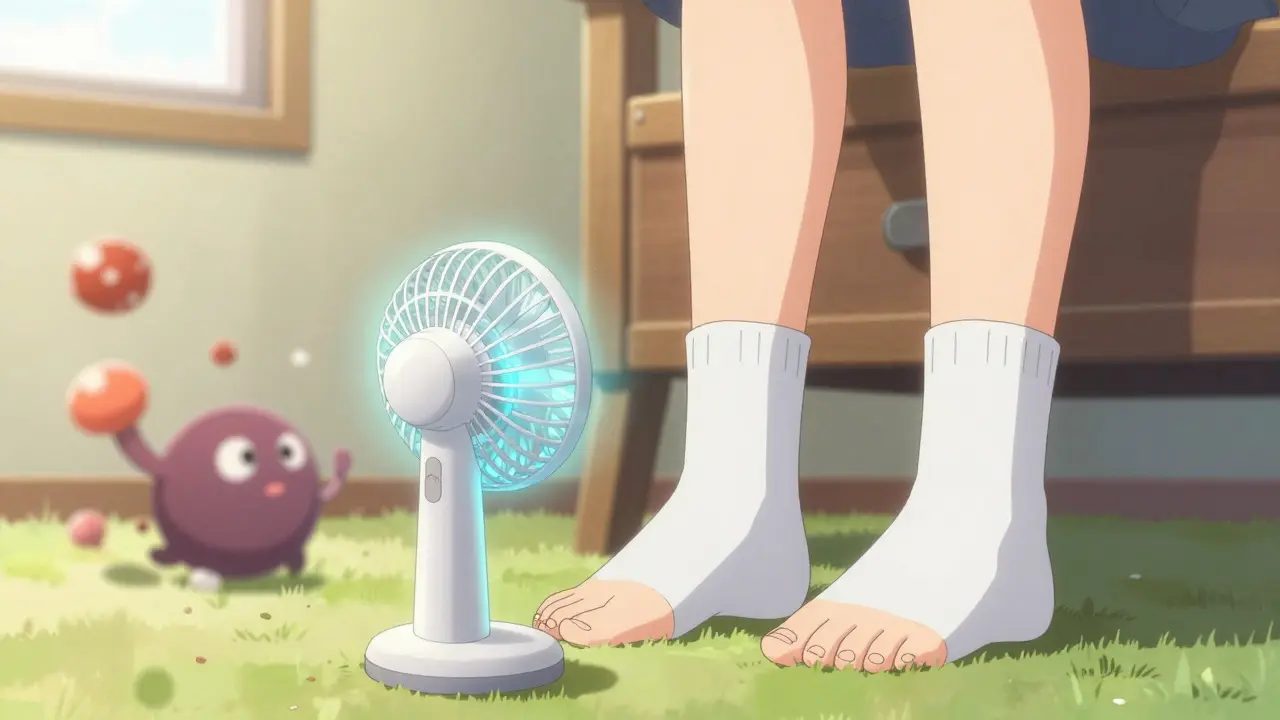
Keeping feet dry is the #1 way to prevent athlete’s foot. Change socks daily, use antifungal powder, and wear breathable shoes. Avoid walking barefoot in public showers-CDC data shows 60% of infections come from shared spaces. For Candida, manage blood sugar if you have diabetes, and don’t take antibiotics unless necessary. DermNet NZ recommends washing underwear in hot water to kill yeast spores.
Many people skip these simple steps. A WebMD survey found 63% of patients struggle with sweaty feet between toes, leading to repeated infections. Using a foot fan or moisture-wicking socks can make a huge difference. For vaginal yeast infections, avoid tight synthetic underwear and douching, which disrupts natural pH balance.
Common Mistakes That Make Things Worse
Stopping treatment too early is the biggest mistake. Dr. Modern Weng (Healthline) shared a Reddit user story: "Stopped clotrimazole after 3 days when itching stopped-came back worse 2 weeks later." Cleveland Clinic data shows only 32% of patients who quit early achieve full recovery, compared to 67% who finish their full course.
Scratching infected areas spreads the fungus. CDC guidelines warn that scratching athlete’s foot can transfer spores to your groin (jock itch) or hands. Always wash hands after touching infected skin. Another mistake is sharing towels or shoes-WebMD confirms athlete’s foot is mildly contagious through direct contact or contaminated surfaces.
When to See a Doctor
See a dermatologist if symptoms don’t improve after 2 weeks of OTC treatment. Also seek help if you see signs of bacterial infection: increased redness, pus, fever, or swelling. StatPearls experts warn that untreated athlete’s foot can lead to cellulitis or osteomyelitis in people with diabetes or poor circulation.
For Candida, visit a doctor if you have recurrent infections (4+ per year), severe pain, or symptoms that spread beyond typical areas. Women with diabetes or weakened immunity should get checked immediately for vaginal yeast infections. The CDC’s "My Action Plan" initiative has reduced recurrent infections by 35% in diabetes clinics through early intervention.
Frequently Asked Questions
Can athlete’s foot spread to other body parts?
Yes. Scratching infected feet can transfer fungal spores to your groin (causing jock itch) or hands. Always wash hands thoroughly after touching affected areas. The CDC confirms that direct contact with skin particles on towels or floors spreads the infection.
How long does it take for antifungal treatments to work?
Topical treatments usually reduce itching in 48-72 hours, but full clearance takes 2-4 weeks. Oral medications like terbinafine work faster-many patients see improvement in 1 week. Always finish the full course even after symptoms disappear to prevent recurrence.
Is it safe to use antifungal creams during pregnancy?
Most topical antifungals like clotrimazole are safe during pregnancy, but oral medications like fluconazole should be avoided. Always check with your OB-GYN before using any medication. The FDA considers topical azoles low-risk for fetal development when used as directed.
Why do fungal infections keep coming back?
Recurrence usually happens because treatment was stopped too early or prevention steps were skipped. Studies show 42% of negative reviews on Amazon cite recurrence due to inconsistent application. Always follow the full treatment course and maintain dry feet and clean footwear to break the cycle.
What’s the difference between athlete’s foot and jock itch?
Both are caused by the same dermatophytes, but athlete’s foot affects feet while jock itch targets the groin area. Jock itch often appears as a red, ring-shaped rash with itching. The CDC states that "same fungi that cause ringworm can cause jock itch, athlete’s foot, and nail infections." Keeping the groin dry is key to prevention.
AMIT JINDAL
February 6, 2026 AT 12:45Hey everyone, I've been dealing with this whole fungal infection thing for years now. Let me tell you, it's not as simple as the article makes it seem. I mean, sure, dermatophytes like Trichophyton rubrum are the usual suspects, but honestly, I think it's more about your lifestyle choices. Like, I know this guy who had athlete's foot for 10 years because he never changed his socks properly. But seriously, people need to take responsibility for their own hygiene. It's not rocket science-keep your feet dry, use antifungal powder, and don't wear those tight shoes. Oh, and stop scratching! That just spreads it everywhere. I've tried everything-terbinafine, clotrimazole-but what really works is being consistent. Trust me, I've been there. Also, the CDC data shows 60% of infections come from shared spaces, but I think that's a bit exaggerated. In my experience, it's more about your own habits. For example, I always wear flip-flops in the shower, and I haven't had a problem in years. But if you're not doing that, you're just asking for trouble. Oh, and for Candida infections, it's all about your diet. Cut out sugar, and you'll be fine. I read this one study that said sugar feeds yeast, but I'm not sure. Either way, I've been using this cream for years and it works great. Also, the article mentions fluconazole for Candida, but I think that's overkill. Topical treatments are enough. But hey, what do I know? I'm just a guy who's been dealing with this forever. :P
Niel Amstrong Stein
February 6, 2026 AT 22:03It's fascinating how fungi interact with our bodies. The article breaks it down well, but I think there's a deeper lesson here about balance. Our bodies are ecosystems, and sometimes we disrupt that balance with antibiotics or poor hygiene. Like, I've seen how Candida thrives in sugar-rich environments, but also how it's part of our natural microbiome. It's not about eradication, but about coexistence. Maybe we should focus on strengthening our immune systems rather than just killing the fungus. For example, the CDC data on diabetes and yeast infections shows how blood sugar control is key. It's all about harmony. Also, the fact that athlete's foot is so common in public showers makes me wonder about how we share spaces. Maybe we need better hygiene education globally. 🌍✨
Paula Sa
February 8, 2026 AT 01:41Great post! I really appreciate how you explained the differences between athlete's foot and Candida. It's important to remember that prevention is key. Keeping feet dry, changing socks daily, and avoiding shared spaces can make a huge difference. Also, finishing the full course of treatment is crucial-I've seen so many people stop too early and end up with recurring infections. Studies show that 67% of people who finish their full course recover completely, compared to only 32% who quit early. It's all about consistency. Don't get discouraged if it takes time-your body is fighting hard. You've got this! 💕
Mary Carroll Allen
February 9, 2026 AT 21:56OMG this is so important! I had a yeast infection last year and it was TERRIBLE. The article says fluconazole works, but I think it's all about the type of antifungal. Like, I tried clotrimizole but it didn't work at all. Then I switched to flucanazole and BAM! Gone in a week. But you have to be careful with antibiotics-they mess up your gut and make yeast worse. Also, stop wearing tight pants! My doctor said synthetic fabricks are the worst. I'm so glad someone finally explained this clearly. Can't believe how many people don't know this. 😤
Joey Gianvincenzi
February 10, 2026 AT 02:32It is imperative that individuals adhere strictly to the prescribed treatment protocols for fungal infections. The article's assertion that topical treatments are sufficient is, regrettably, misleading. Clinical evidence indicates that oral antifungals are often necessary for persistent cases. Failure to complete the full course of medication is a grave error, as evidenced by the CDC's statistics on recurrence rates. One must not underestimate the severity of these infections; they can lead to systemic complications. I urge all readers to consult a healthcare professional immediately upon symptom onset. This is not a matter to be taken lightly.
Amit Jain
February 11, 2026 AT 00:09Ugh, this article is so wrong. Athlete's foot isn't just from public showers-most people get it from their own socks and shoes. The CDC data is outdated. I've had it for years and never used public showers. It's all about the fungus adapting. And Candida? It's not just vaginal-can be everywhere. The article is missing the point. People should stop blaming the fungus and start fixing their immune systems. Duh.
Sarah B
February 12, 2026 AT 19:29Dry feet. Stop scratching. Done.
Tola Adedipe
February 13, 2026 AT 19:30Great info! I agree that prevention is key. But I think the article underestimates the role of diet in Candida infections. Sugar is the real culprit. Cutting it out completely helped me. Also, wearing cotton underwear is a must. No more synthetic fabrics! Let's all do better. 💪
Eric Knobelspiesse
February 14, 2026 AT 01:56Interesting read. Let's analyze the stats. Terbinafine works 70-80% of the time? That's not great. Maybe we should look at alternative treatments. The CDC says 60% of infections from shared spaces, but I think that's a red herring. It's more about personal hygiene. Also, fluconazole for Candida-overprescribed much? I've seen people get yeast infections from antibiotics. It's all about the microbiome. But hey, what do I know? 😊
Heather Burrows
February 15, 2026 AT 18:56Well, the article does mention some facts, but it's quite basic. I think the real issue is that people don't follow through with treatments. Like, why would anyone stop using the cream early? It's obvious you need to finish the course. Also, the prevention tips are too simplistic. It's not just about dry feet-it's about your entire lifestyle. But I don't really care enough to go into detail. 😒
Gouris Patnaik
February 16, 2026 AT 07:23These infections are a result of poor personal hygiene. In India, we know how to take care of our feet. But in the West, people are too lazy. The CDC data is unreliable. They don't understand the true causes. Always keep feet dry, wear proper shoes. If you don't, you deserve the infection. Simple.
Jesse Lord
February 18, 2026 AT 02:47Hey everyone, great post. It's really important to remember that these infections can happen to anyone. The key is consistency in treatment. Don't get discouraged if it takes time. Also, sharing your experiences helps others. Let's all support each other. No judgment here. Just trying to help. 💙
Catherine Wybourne
February 18, 2026 AT 09:43Oh, another article about fungal infections. How original. But seriously, it's good info. I love how it breaks down the differences between athlete's foot and Candida. It's like comparing apples to oranges. Though I must say, the CDC data is a bit dry. Maybe we need more real-life stories. Anyway, keep your feet dry and don't be a hero-finish the treatment. 🙄
Ashley Hutchins
February 18, 2026 AT 16:33People need to stop being so careless. If you get athlete's foot it's your own fault. No one else is responsible. Just keep your feet dry and wear clean socks. But no, you all want to blame the fungus. It's not the fungus's fault it's your fault. Also, stop using antibiotics unless necessary. Duh. 😤