 Jul, 12 2026
Did you know that 71% of consumers are unaware that their local pharmacy often matches the pricing of mail-order services for long-term medication supplies? It is a frustrating reality: we are told to use mail-order to save money, yet many of us end up paying more or dealing with shipping delays because we do not understand how our insurance plan actually works. The truth is, saving money on prescriptions is not about choosing one pharmacy over another blindly. It is about coordinating them.
I have spent years analyzing prescription drug costs in Madison, Wisconsin, and across the United States. The secret to lowering your healthcare bills lies in splitting your medications between two channels: mail-order pharmacies for stable, long-term needs and local retail pharmacies for urgent or changing treatments. When done correctly, this strategy can slash your annual medication costs by hundreds of dollars while ensuring you never run out of critical drugs. Let’s break down exactly how to make this work for you.
Understanding the Cost Difference Between Channels
To save money, you first need to understand why prices differ. Insurance companies, also known as Pharmacy Benefit Managers (PBMs), structure their plans to incentivize certain behaviors. For decades, they have pushed patients toward mail-order pharmacies for maintenance medications-drugs you take every day for chronic conditions like hypertension, diabetes, or high cholesterol.
Why? Because it saves them money. According to data from America's Health Insurance Plans (AHIP), processing a mail-order prescription reduces administrative costs by 15-20% per transaction compared to a retail fill. They pass some of these savings back to you in the form of lower copays. A study published in the Journal of Managed Care Pharmacy found that overall member costs were 29% lower for mail-order than community pharmacy fills across most therapeutic categories.
However, this advantage is not universal. While mail-order typically offers a 20-29% discount on 90-day supplies of generic and brand-name maintenance drugs, the savings vary wildly by medication type. Cardiovascular medications often see the highest savings (up to 35%), while dermatological treatments might only save you 8%. More importantly, many insurance plans now allow you to get the same 90-day supply price at your local pharmacy. If you skip checking this option, you are leaving money on the table.
The Three-Bucket Strategy for Medication Management
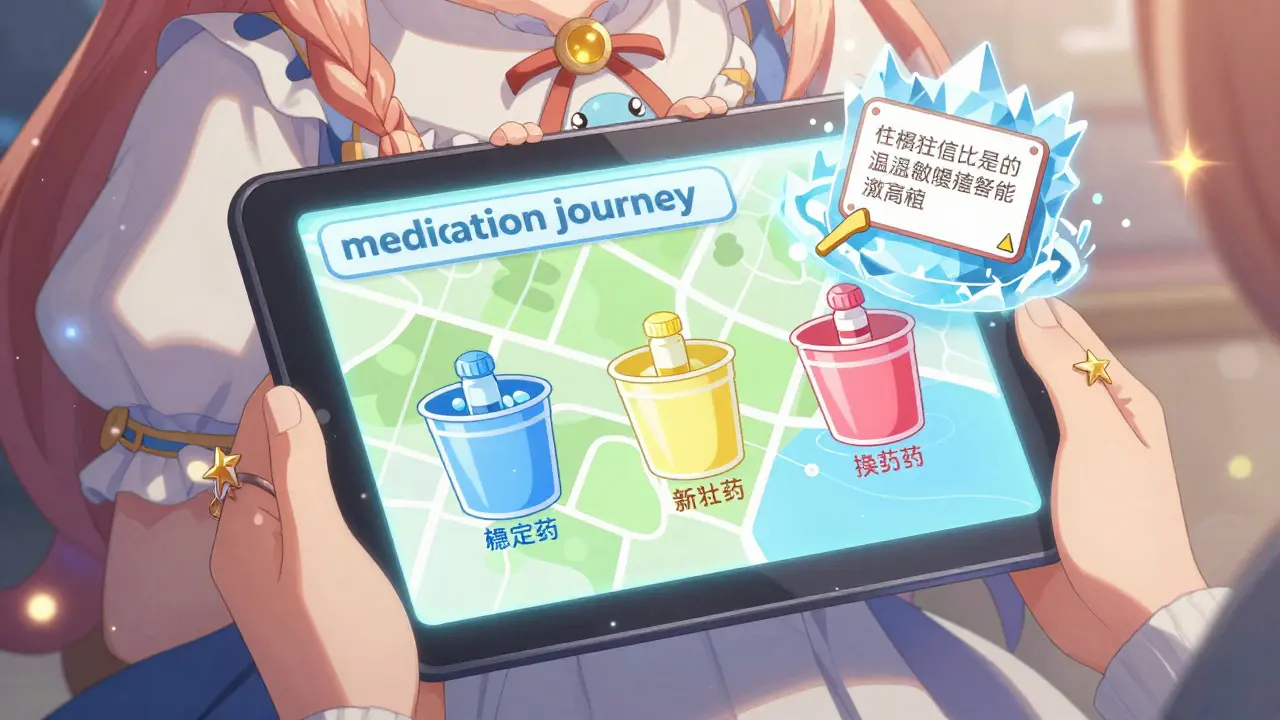
Dr. John Santa, Director of the Consumer Reports Health Ratings Center, suggests a simple mental model: categorize your medications into three buckets. This approach removes the guesswork and ensures you are using the right channel for the right drug.
- Maintenance Drugs: These are medications you will take for years without significant changes. Think blood pressure meds, statins, or thyroid hormone replacements. These are ideal candidates for mail-order or local 90-day fills because the cost savings on bulk purchases are substantial.
- New or Variable-Dose Prescriptions: If you just started a new medication, your doctor may need to adjust the dosage based on your body’s reaction. Do not send these to mail-order. Keep them at your local pharmacy so you can pick up a quick 30-day refill if the dose changes.
- Occasional or Acute Meds: Antibiotics, painkillers after surgery, or allergy inhalers used only during spring fall here. You do not want to wait 7-14 days for delivery when you are sick. Use your local pharmacy for immediate access.
By separating your regimen this way, you maximize savings on the bulk items while maintaining flexibility for the unpredictable ones. I recently helped a neighbor in Madison who was taking both a daily antidepressant and an occasional antibiotic. She moved the antidepressant to mail-order, saving $427 annually, but kept the antibiotic prescription at her corner CVS for peace of mind.
Comparing Mail-Order vs. Local Pharmacy Attributes
Not all pharmacies are created equal. To decide where to send each prescription, you must weigh the trade-offs between convenience, speed, and cost. Below is a comparison of the key attributes for each channel.
| Attribute | Mail-Order Pharmacy | Local Retail Pharmacy |
|---|---|---|
| Typical Supply Duration | 90 days | 30 or 90 days |
| Delivery Time | 7-14 business days | Same day or next day |
| Copay Structure | Often lower for 90-day generics ($12.50 avg) | Standard retail rates; sometimes matches mail-order for 90-day |
| Pharmacist Access | Phone-only support | Face-to-face consultations available |
| Temperature Control | Risk of exposure during transit | Controlled environment throughout handling |
| Best For | Stable chronic conditions | Acute issues, dose adjustments, biologics |
Notice the risk factor for temperature control. If you take insulin or biologic drugs, shipping them through standard mail can expose them to extreme heat or cold, degrading their potency. The FDA warns that such exposure can render these expensive medications ineffective. In these cases, the local pharmacy’s controlled environment is worth the extra cost.
Step-by-Step Guide to Coordinating Your Prescriptions
Implementing this strategy requires a bit of upfront effort, but the payoff is immediate. Here is how to set up your system effectively.
Step 1: Audit Your Current Medications
Pull out your current pill bottles or log into your insurance portal. List every medication you take. Mark them according to the three-bucket strategy above. Identify which ones are stable maintenance drugs and which ones are acute or variable.
Step 2: Verify Your Insurance Formulary Tiers
Log into your insurance provider’s website or call member services. Ask specifically for the copay difference between a 30-day retail fill and a 90-day mail-order fill for your maintenance medications. Also, ask if your plan allows 90-day fills at local pharmacies for the same price. Many people assume mail-order is cheaper, but GoodRx data shows that many insurers now offer parity pricing.
Step 3: Set Up Automated Reminders
The biggest pitfall of mail-order is running out of medication before the next shipment arrives. Since delivery takes 7-14 days, you must order refills well in advance. Set calendar reminders on your phone for 10-14 days before your current supply runs out. Most mail-order services allow you to request a refill online or via app with a single click.
Step 4: Establish a Relationship with a Local Pharmacist
Even if you use mail-order for most drugs, keep one local pharmacy as your primary care partner. Visit them for your acute prescriptions and annual medication reviews. A pharmacist can catch dangerous interactions between your mail-order drugs and new prescriptions, a service that remote call centers rarely provide.
Common Pitfalls and How to Avoid Them
Coordination fails when things change. Insurance plans update their formularies annually, doctors adjust doses, and life happens. Here are the most common mistakes people make and how to fix them.
The "Set It and Forget It" Trap: Users often switch to mail-order and never check their statements again. In a 2023 survey by GoodRx, 41% of users reported unexpected plan changes that increased their costs. Review your monthly benefit statement. If your copay jumps unexpectedly, contact your insurer immediately.
The Dose Adjustment Disconnect: One Reddit user shared a nightmare scenario where his doctor changed his antidepressant dose, but the mail-order pharmacy continued sending the old strength for two months because their systems did not sync with his electronic health record (EHR). He wasted $65 on unusable pills. To avoid this, always notify your mail-order pharmacy directly when a dose changes, or temporarily switch to your local pharmacy until the new dose is stabilized.
Ignoring Local Discount Programs: Even if you have insurance, local chains like CVS, Walgreens, and Walmart offer robust discount programs. Walmart’s program, for example, offers 90-day generic supplies for $10 without insurance. Sometimes, paying cash at a local pharmacy with a discount card is cheaper than using your insurance copay at a mail-order service. Always compare the final out-of-pocket price.
The Future of Pharmacy Coordination
The landscape is shifting. With the U.S. prescription drug market reaching $621 billion in 2022, insurers are trying to streamline access. UnitedHealthcare launched "Optum Perks" in 2023, aiming to combine mail-order efficiency with local access points. Meanwhile, Epic Systems introduced a "Pharmacy Navigator" module that automatically recommends the best fill channel based on your history and coverage.
As these tools become more common, the manual work of coordinating will decrease. However, until then, the power remains in your hands. By understanding the mechanics of Medicare Part D and commercial insurance plans, you can navigate the system intelligently. Do not let automated defaults dictate your spending. Take control of your medication management, and watch your savings grow.
Does mail-order pharmacy always cost less than local pharmacy?
Not always. While mail-order often offers lower copays for 90-day supplies of maintenance medications, many insurance plans now offer equivalent pricing for 90-day fills at local retail pharmacies. Additionally, for acute medications or those requiring frequent dose adjustments, the convenience and accessibility of local pharmacies may outweigh minor cost differences. Always check your specific plan’s formulary tiers.
How long does it take to receive medications from a mail-order pharmacy?
Typically, mail-order pharmacies require 7-14 business days for delivery. This lead time means you must plan ahead and request refills at least two weeks before your current supply runs out. Failure to do so can result in gaps in treatment, especially for critical maintenance medications.
Can I get my insulin shipped via mail-order pharmacy?
It is generally not recommended. Insulin and other biologic drugs are sensitive to temperature fluctuations. Shipping them through standard mail exposes them to potential heat or cold, which can degrade their potency. Local pharmacies maintain strict temperature controls, making them a safer option for these types of medications.
What should I do if my doctor changes my medication dosage?
If you are using mail-order, notify the pharmacy immediately of any dosage changes. However, it is often easier to switch to your local pharmacy temporarily while your doctor adjusts the dose. This prevents errors where the mail-order system continues to send the old strength due to lack of real-time synchronization with your doctor’s records.
Do local pharmacies offer discounts comparable to mail-order?
Yes. Many major chains like Walmart, CVS, and Walgreens offer competitive discount programs for generic medications. For example, Walmart offers 90-day generic supplies for $10 regardless of insurance. Comparing these cash prices against your insurance copay for mail-order can sometimes reveal that local pharmacy is the cheaper option.
Kieran Healy
July 12, 2026 AT 14:43Wow, this is actually really helpful info. I always just sent everything to mail order because my insurance said it was cheaper, but I never thought about the temperature thing for insulin. :)