 Dec, 25 2025
Why Medication Safety Matters More Than You Think
Every year, over 1.3 million people in the U.S. end up in the emergency room because of something gone wrong with their medication. That’s not a rare mistake-it’s common. And it’s often preventable. Whether you’re taking one pill a day or managing five different prescriptions, how you use your meds can mean the difference between feeling better and ending up in the hospital. Medication safety isn’t just for doctors and pharmacists. It’s your responsibility too.
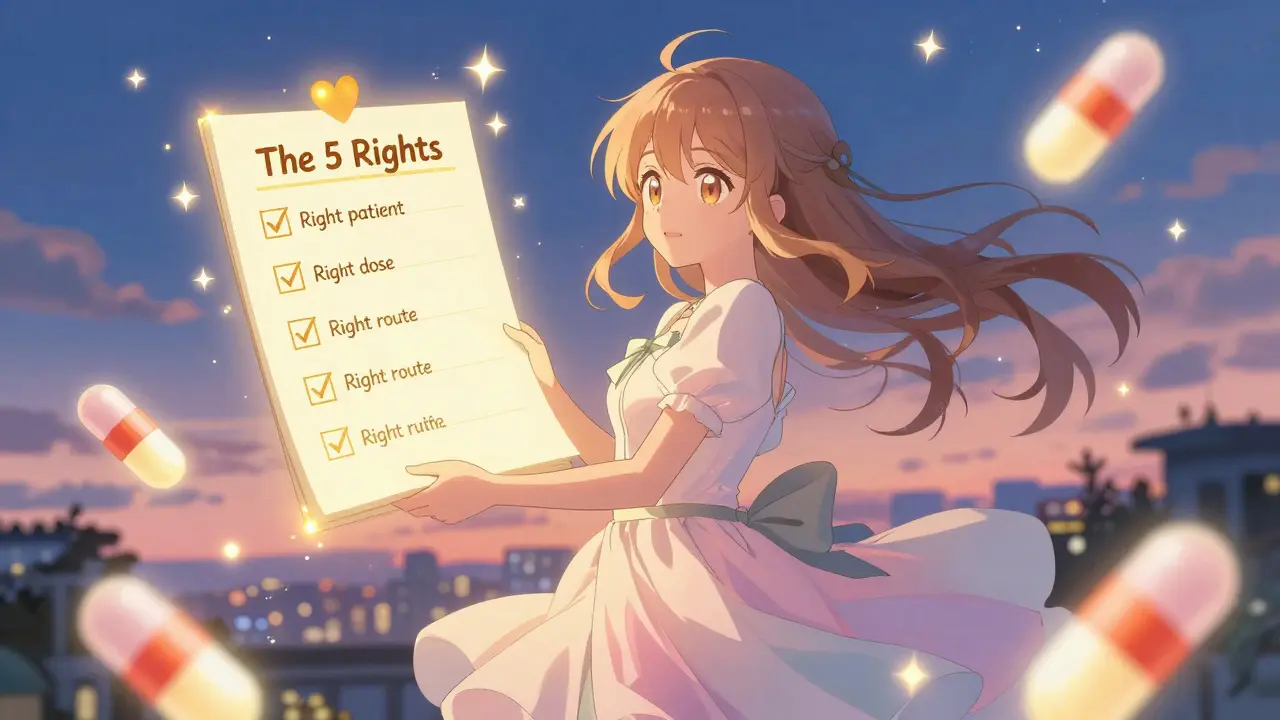
The 5 Rights of Safe Medication Use
If you remember nothing else, remember these five basics:
- Right patient - Is this medicine really for you? Double-check your name on the bottle.
- Right drug - Does it look like your last refill? Don’t assume. Look at the color, shape, and label.
- Right dose - Is it one pill or two? Is it morning or night? Never guess.
- Right route - Is it meant to be swallowed, applied to the skin, or injected? Mixing these up can be dangerous.
- Right time - Taking a pill too early, too late, or with the wrong meal can reduce its effect-or make it harmful.
These aren’t just hospital rules. They’re your personal safety checklist. Write them down. Stick them on your fridge.
Know Your Medications Inside Out
How many times have you taken a pill without knowing why? A CDC survey found that 63% of adults can’t correctly say what each of their medications is for. That’s a recipe for trouble.
For every new prescription, ask your doctor or pharmacist these eight questions:
- What’s the name of this medicine?
- What’s the active ingredient?
- Why am I taking it?
- How much should I take and when?
- What should it look like? (Color, shape, markings)
- When does it expire?
- What are the side effects?
- What should I avoid while taking it? (Alcohol? Other meds? Food?)
Write the answers down. Keep them in your phone or a small notebook. If you’re on multiple meds, this list becomes your lifeline.
Watch Out for High-Risk Medications
Not all pills are created equal. Some carry a much higher risk if used wrong. These are called high-alert medications, and they include:
- Insulin
- Warfarin (a blood thinner)
- Heparin (another blood thinner)
- Intravenous oxytocin (used during labor)
These drugs can cause serious harm-even death-if given in the wrong dose or mixed with other meds. For example, taking too much warfarin can cause internal bleeding. Taking insulin incorrectly can send your blood sugar crashing.
If you’re on any of these, ask your pharmacist to explain the risks in plain language. Set phone alarms for doses. Never skip a check-up just because you feel fine. These meds need close monitoring.
Medication Reconciliation: Your Secret Weapon
One of the most effective ways to avoid errors is called medication reconciliation. That’s just a fancy term for comparing all the medicines you’re taking with what your doctor thinks you’re taking.
It sounds simple-but it’s often skipped. A 2022 survey found that 42% of U.S. hospitals don’t consistently record over-the-counter meds or supplements during this process. That’s a huge gap. Many people take fish oil, vitamin D, or herbal teas without telling their doctor. But those can interact dangerously with prescriptions.
Before every appointment, make a list of everything you take:
- Prescription drugs
- Over-the-counter pills (like ibuprofen or antacids)
- Vitamins and supplements
- Herbal remedies
Include the dose and how often you take it. Bring this list with you. If your doctor doesn’t ask for it, offer it. This one habit cuts medication errors by up to 45% in hospitals-and it works just as well at your GP’s office.
Look-Alike, Sound-Alike Mistakes Are Common
Ever confused two pills because they sound or look similar? You’re not alone.
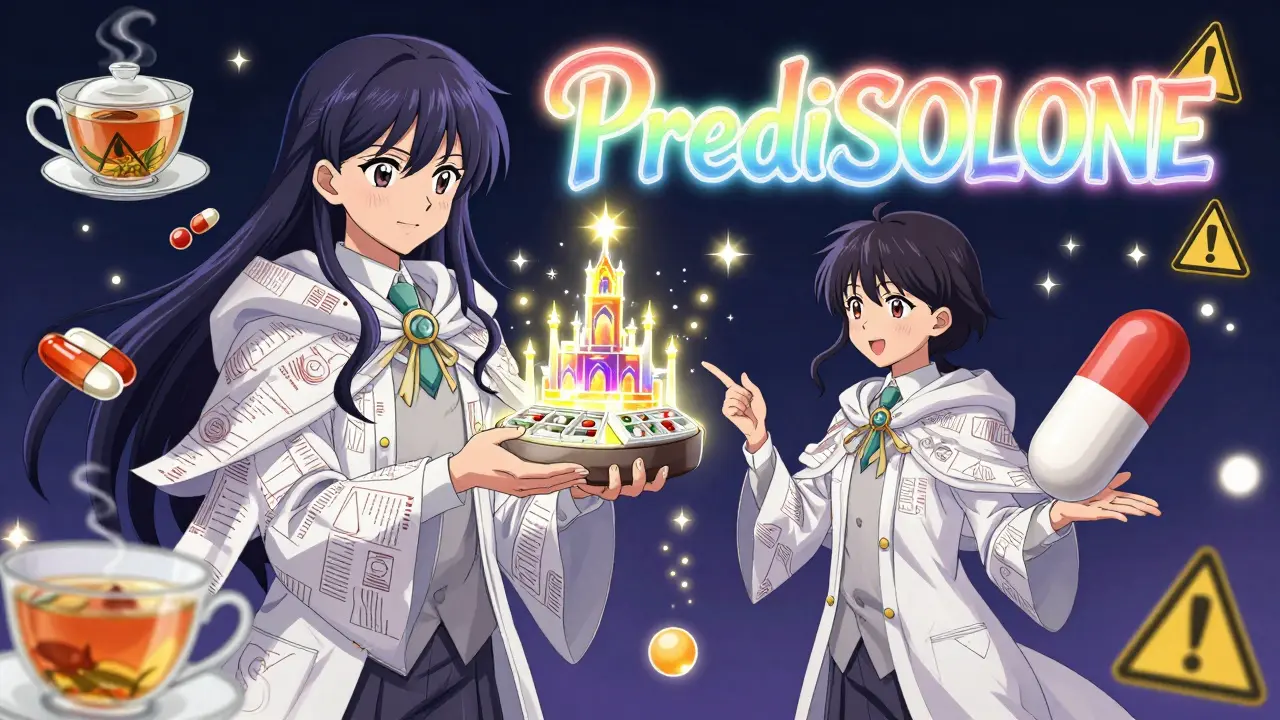
Look-alike, sound-alike drugs are a major cause of errors. Glimepiride and glyburide-both diabetes pills-sound almost the same. Prednisone and prednisolone? Same issue. One pharmacy study found that 62% of dispensing errors involve these kinds of mix-ups.
Here’s how to protect yourself:
- Always check the label before you leave the pharmacy.
- Compare your new pill to the last one you had. If it looks different, ask why.
- Ask your pharmacist to use Tall Man Lettering: predniSONE vs. predniSOLONE. This small formatting trick helps reduce confusion.
Don’t be shy. If something looks off, say something. It could save your life.
Use Tools to Stay on Track
Managing multiple meds is hard. Memory fades. Life gets busy. That’s why tools matter.
- Pill organizers - These simple boxes with compartments for morning, noon, night, and weekend doses reduce errors by 35% in older adults.
- Smartphone alarms - Set recurring reminders. Label them clearly: “Warfarin - 8 AM.”
- Medication apps - The CDC launched a free app in January 2024 called the Medication Safety Checklist. It lets you track doses, set alerts, and share your list with family.
- Barcode scanning - If you’re in a hospital, ask if they use barcode systems to scan your wristband and your pill. It cuts errors by over 50%.
These aren’t luxuries. They’re essential tools for anyone on more than two medications.
Never Stop or Skip a Dose Without Talking to Your Doctor
Many people stop taking antibiotics early because they feel better. That’s dangerous. The FDA says 23% of antibiotic treatment failures happen because people quit too soon.
Same goes for blood pressure or depression meds. You might feel fine-but the drug is still working behind the scenes. Stopping suddenly can cause rebound effects: high blood pressure spikes, seizures, or worsening symptoms.
If you’re having side effects, don’t quit. Call your doctor. There’s often a better option. Maybe a lower dose. Maybe a different drug. But never make that decision alone.
Keep Your Medicine Cabinet Clean
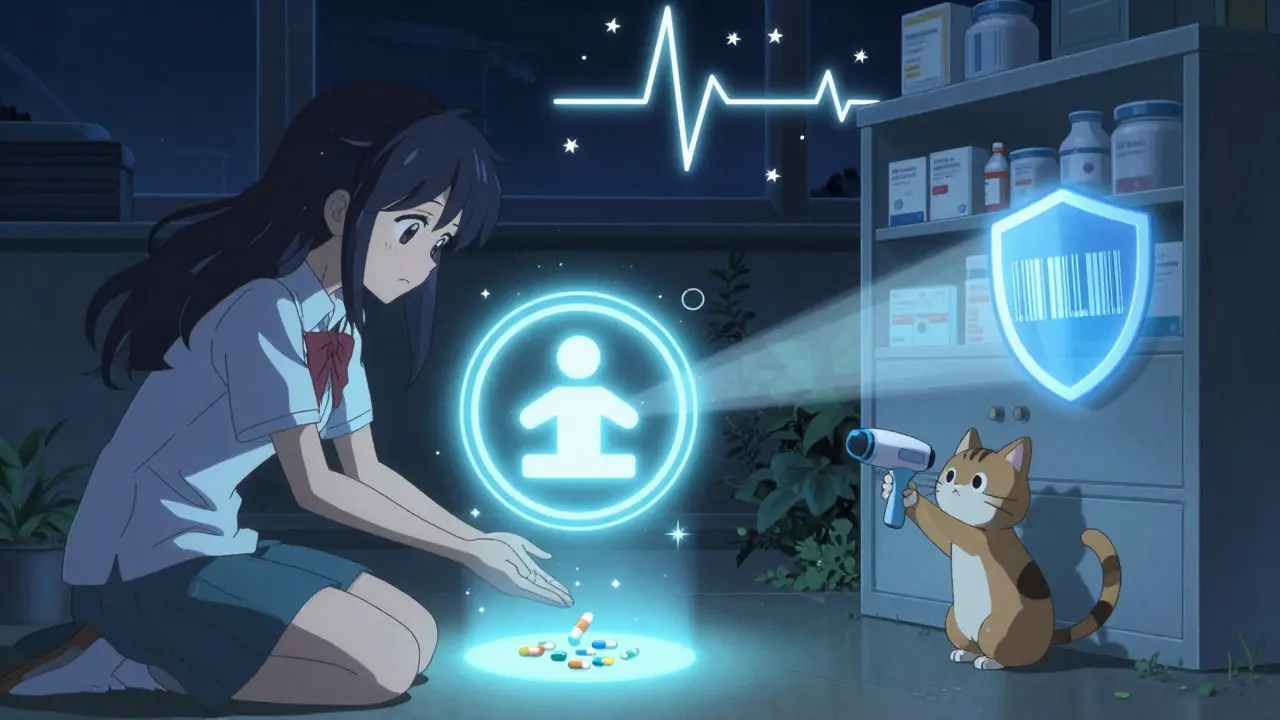
Expired or unused meds are a hidden danger. The Illinois Department of Public Health found that 38% of accidental poisonings in young children happen because of old pills lying around.
Do a medicine cabinet clean-out twice a year. Toss out:
- Any pills past their expiration date
- Medicines you no longer take
- Anything that’s changed color, smell, or texture
Don’t flush them or throw them in the trash. Many pharmacies offer take-back programs. Or check with your local waste authority for safe disposal options.
Pharmacists Are Your Hidden Safety Net
Most people think pharmacists just hand out pills. But they’re trained medication experts. They catch errors doctors miss. They spot dangerous interactions. They know how to explain complex regimens in plain language.
Studies show patients who talk to their pharmacist when starting a new drug make 27% fewer mistakes. Don’t just pick up your prescription and leave. Ask: “Is there anything I should watch out for?” “Can you show me how to take this?”
Pharmacists are more accessible than ever. Many offer free 10-minute consultations. Use them.
When Things Go Wrong: What to Do
Even with all the right steps, mistakes happen. If you think you took the wrong pill, took too much, or had a bad reaction:
- Call your doctor or pharmacist immediately.
- If you’re having trouble breathing, chest pain, swelling, or confusion, call emergency services.
- Don’t wait to see if it gets better. Some reactions worsen fast.
- Keep the pill bottle and any packaging. It helps professionals identify what happened.
Reporting errors helps improve safety for everyone. If your hospital or pharmacy has a reporting system, use it.
Final Thought: Safety Is a Habit, Not a One-Time Task
Medication safety isn’t about being perfect. It’s about being consistent. It’s about asking questions. It’s about writing things down. It’s about checking your pills before you swallow them.
People who manage their meds well don’t have better memories. They just have better systems. And those systems work for anyone-no matter your age, income, or education level.
Start today. Make your list. Set your alarms. Ask your pharmacist one question. That’s all it takes to start reducing your risk-and taking real control of your health.
Sandeep Jain
December 26, 2025 AT 11:36Sophia Daniels
December 27, 2025 AT 02:21sakshi nagpal
December 27, 2025 AT 17:24roger dalomba
December 28, 2025 AT 10:41Brittany Fuhs
December 29, 2025 AT 18:09Steven Destiny
December 31, 2025 AT 05:00Fabio Raphael
December 31, 2025 AT 11:33Amy Lesleighter (Wales)
January 2, 2026 AT 03:19Rajni Jain
January 3, 2026 AT 05:38Natasha Sandra
January 3, 2026 AT 21:27Peter sullen
January 4, 2026 AT 16:09Nikki Brown
January 6, 2026 AT 06:21Becky Baker
January 7, 2026 AT 07:28