 Feb, 2 2026
QR Code Safety Scanner Simulator
Scan Your Drug
Enter details of your medication to simulate what you'd see with a QR code scan
Simulation Results
Simulated QR Code Scan
Scan your drug to see real-time safety information
How This Works
Real QR codes link to cloud-based systems that update instantly when new safety information is available. This simulation shows what you'd see when scanning a drug label with up-to-date safety data.
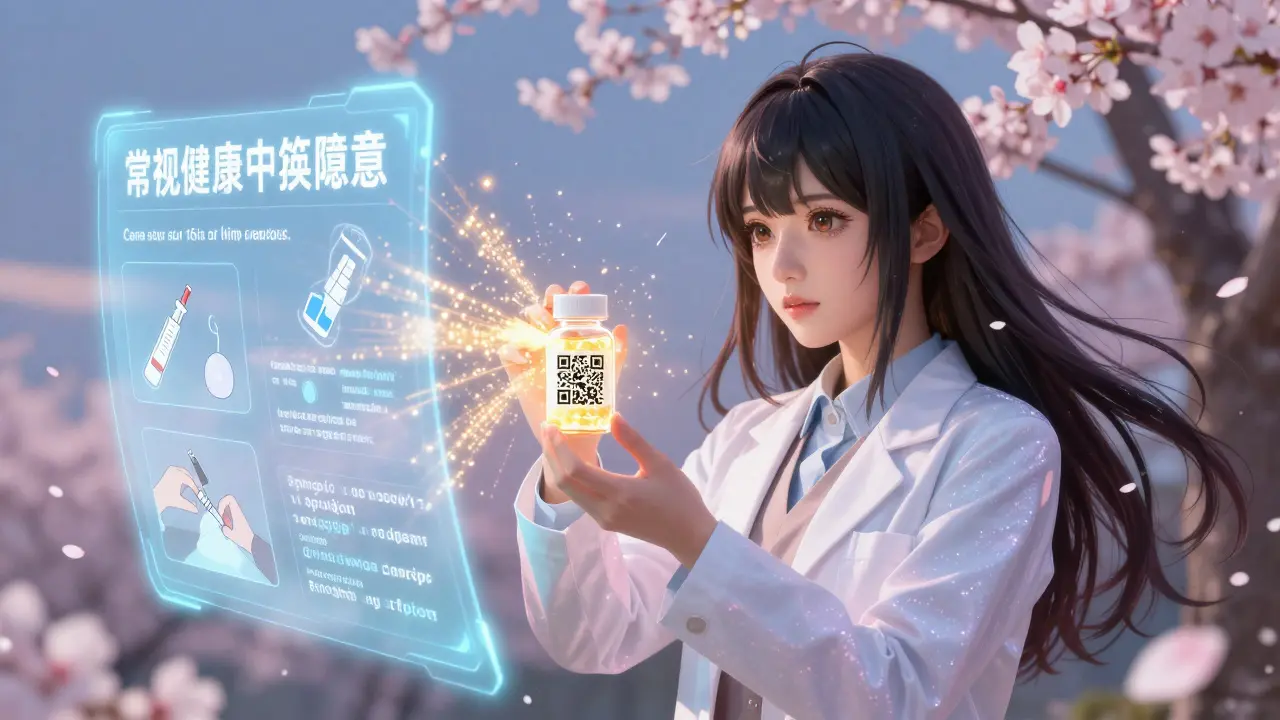
Imagine you’re holding a pill bottle. The label has the name, dose, and expiration date - but what if you could scan it and instantly see the latest safety warning, a video on how to take it correctly, or even a recall notice that just went out yesterday? That’s not science fiction. It’s happening right now. QR codes on drug labels are turning static paper into live safety dashboards - and they’re changing how patients and doctors stay protected.
Why Static Labels Are No Longer Enough
For decades, drug labels were printed once and stuck on bottles forever. But medicine doesn’t work that way. New side effects pop up. Warnings get updated. Recalls happen. And the old system? It’s slow. It can take months - sometimes over a year - for a safety update to reach every pharmacy shelf across the country. In that time, patients keep taking pills with outdated instructions. In the last decade, global regulators issued more than 225 black box warnings - the strongest safety alerts for prescription drugs. Each one matters. But if the label on your bottle doesn’t reflect it, you’re flying blind. That’s why the industry started looking for a better way.How QR Codes Fix the Problem
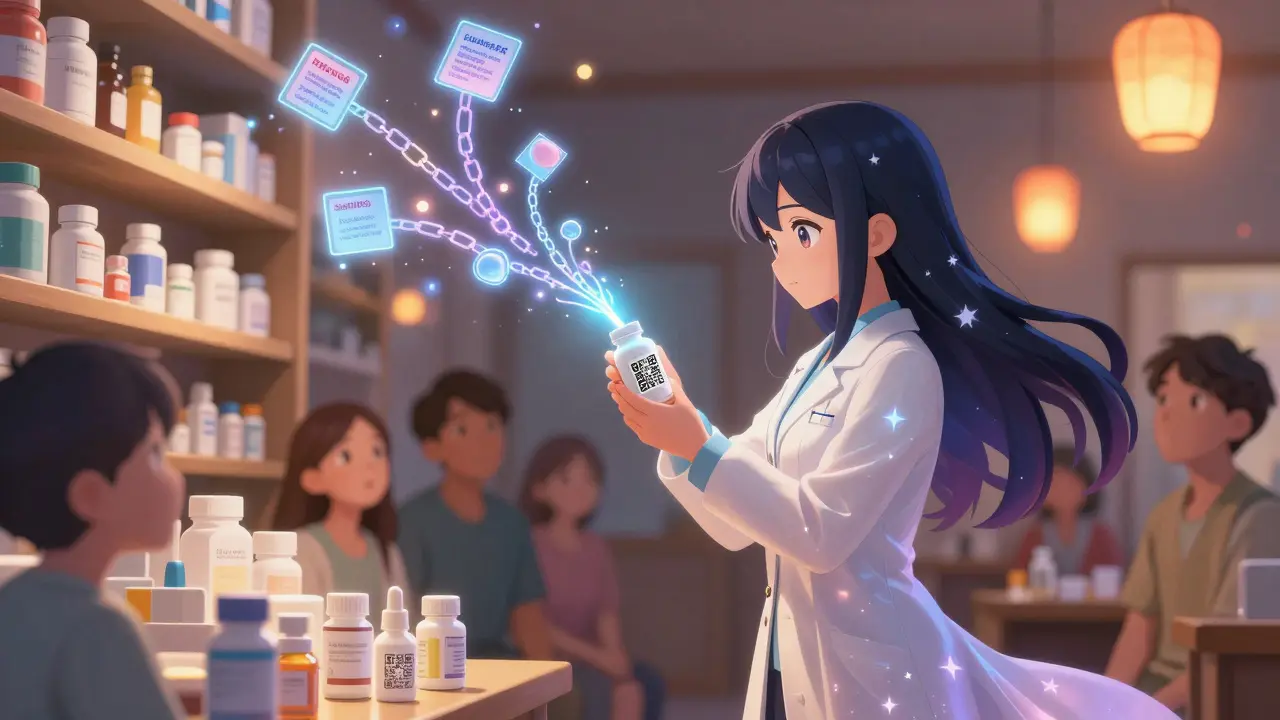
QR codes on drug labels link directly to a secure, up-to-date digital version of the prescribing information. Think of it like a living document. When a new safety alert is approved by the FDA or EMA, the manufacturer updates the webpage behind the QR code. No new labels. No recalls of existing stock. Just instant, global updates. This isn’t theoretical. Spain started using them in 2021. The UK officially approved them in early 2024 under its ABPI Code update. Military pharmacies in the U.S. began testing them in 2022. And by 2025, experts expect this to become standard across Europe and North America. The key? Dynamic QR codes. Unlike static ones that just point to a fixed page, these connect to cloud-based systems that track every scan. If a pharmacist scans a code to check a patient’s meds, the system logs it. If a patient looks up side effects at home, that’s recorded too. This isn’t just about safety - it’s about accountability.What You’ll Find When You Scan
Scanning a QR code on a prescription bottle doesn’t just show you the same text you’d find in a printed leaflet. It gives you more - and it’s always current.- Latest black box warnings and contraindications
- Step-by-step videos on how to use injectables or inhalers
- Real-time recall notices if your batch is affected
- Drug interaction alerts based on your other medications (if linked to your EHR)
- Multilingual versions for non-English speakers
- Direct links to report side effects electronically
It’s Not Just for Patients
Healthcare workers benefit too. Emergency responders can scan a bottle during a crisis and instantly pull up critical info - like whether a drug causes dangerous drops in blood pressure or interacts with common painkillers. Pharmacists use QR codes to verify lot numbers and expiration dates, helping catch counterfeit drugs before they reach shelves. And for regulatory teams? It’s a game-changer. Every scan creates a digital trail. If a safety issue arises, companies can prove they updated content on time. Regulators can audit access logs. No more guessing whether a label change was distributed.The Downsides - And How They’re Being Fixed
No technology is perfect. The biggest concern? Digital access. Not everyone has a smartphone. Older adults, people in rural areas, or those without reliable internet can’t scan a code. That’s why smart implementations don’t replace printed labels - they add to them. DosePacker and other platforms require manufacturers to keep clear, readable printed instructions alongside the QR code. Pharmacies are training staff to scan codes for patients who need help. Some clinics even have tablets set up near the pickup counter just for this purpose. Privacy is another issue. QR codes link to cloud data. Is that data protected under HIPAA or GDPR? Yes - if done right. Leading systems use encrypted connections, require authentication for sensitive info, and never store personal data without consent. And then there’s consistency. Different companies use different QR formats. Some link to PDFs. Others to interactive web apps. Regulators are pushing for standardization - and companies are listening. The goal is one universal system, no matter where you buy your meds.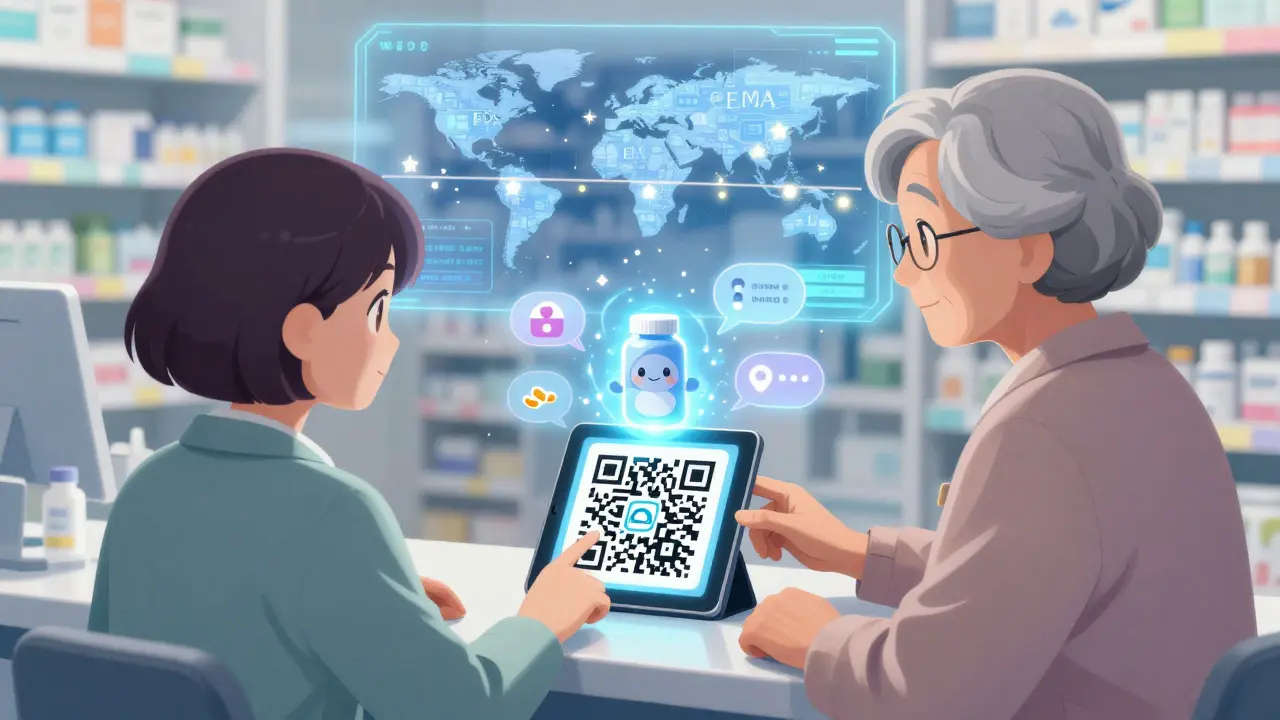
Who’s Leading the Way?
Spain was first. The UK followed with clear rules. In the U.S., adoption is growing but uneven. Military health systems are ahead. Private pharmacies are testing. Big pharma like Pfizer and Novartis are piloting QR codes on new drugs. Technology partners like sQR.me, Vodori, and Freyr Solutions are building the backend systems that make this work. They handle the cloud hosting, API connections to pharmacovigilance databases, and integration with electronic health records. These aren’t just apps - they’re compliance engines.What’s Next?
The future is even smarter. AI is already being used to detect new safety signals faster. Imagine a QR code that doesn’t just show you the warning - it explains why it matters for *your* body, based on your age, other meds, and medical history. Apps like DosePacker’s MyDoses are starting to do this: scan the code, and the app reminds you when to refill, warns you about interactions, and even syncs with your calendar. By 2030, experts predict QR codes on drug labels will be mandatory in most developed countries. They’ll be tied to Unique Device Identifiers (UDIs), creating a full digital chain from factory to patient. But the real win isn’t technology. It’s safety. Fewer errors. Faster updates. Better understanding. More control for patients. Less guesswork for doctors.What You Can Do Today
If you’re on a new prescription, check the label. Is there a QR code? Scan it. See what’s there. Compare it to the printed leaflet. Is the info clearer? More detailed? If you’re a caregiver for an older adult, help them scan it. Use the pharmacy’s tablet. Ask the pharmacist to walk you through it. And if you’re a patient who’s been confused by a drug’s instructions - you’re not alone. The old system failed too many people. QR codes aren’t magic. But they’re the first real step toward fixing it.Are QR codes on drug labels safe to scan?
Yes. QR codes on legitimate drug labels link to secure, encrypted websites hosted by the manufacturer or a trusted third party. They don’t download apps or collect personal data unless you log in. Always check that the URL matches the drug maker’s official domain - like pfizer.com/safety - before entering any info.
Do I need an app to scan a QR code on my medication?
No. Most modern smartphones have built-in QR scanners in the camera app. Just open your camera, point it at the code, and wait for a notification to pop up. You don’t need to download anything extra - unless the link takes you to a branded app, which is rare for safety info.
What if I don’t have a smartphone?
You still get full access. All drugs with QR codes must also include printed information that meets regulatory standards. Pharmacies are required to assist patients who can’t scan - many have staff on hand to help, or tablets you can use at the counter. The goal is inclusion, not exclusion.
Can QR codes be faked or hacked?
It’s possible, but very hard. Legitimate drug QR codes are tied to encrypted databases and verified by lot numbers and expiration dates. Counterfeiters can print fake codes, but they can’t replicate the backend system that checks authenticity. Always check the manufacturer’s name on the label and verify the URL after scanning. If it looks suspicious, call the pharmacy or drug maker directly.
Are QR codes required by law?
Not yet in the U.S., but they’re officially permitted under updated industry guidelines. In the EU, they’re allowed under national rules, and regulators are moving toward mandatory use. The FDA is watching closely. By 2027, it’s likely QR codes will be required for new high-risk drugs.
Do QR codes replace the printed patient information leaflet?
No. Regulatory agencies require printed leaflets to remain available. QR codes are an added layer - not a replacement. This ensures no one loses access to vital safety info due to lack of technology.
How often are the QR code links updated?
As soon as a safety update is approved - often within 24 to 72 hours. The system is designed for speed. A black box warning issued on Monday can be live on the QR code by Wednesday. That’s a huge improvement over the old system, where printed labels took months to change.
Shelby Price
February 4, 2026 AT 11:28Just scanned my new blood pressure med QR code-wild. It showed a video on how to take it with food and a pop-up about that one rare liver risk I’d never heard of. 😮
caroline hernandez
February 5, 2026 AT 10:49This isn’t just convenience-it’s pharmacovigilance 2.0. Dynamic QR codes enable real-time signal detection from patient scans, feeding directly into adverse event reporting pipelines. The FDA’s Sentinel Initiative could integrate this at scale. We’re moving from passive labeling to active pharmacodynamic monitoring. This is the future of post-marketing surveillance.
Meenal Khurana
February 5, 2026 AT 13:09Good idea. But make sure elders aren’t left behind.
Joy Johnston
February 5, 2026 AT 16:25As a clinical pharmacist with over 18 years in community practice, I can confirm that QR-enabled labeling has reduced counseling time by approximately 30% in our pilot program. Patients retain more information when they can revisit video instructions at home. The integration with Epic and Cerner EHRs is seamless when vendors adhere to HL7 FHIR standards. This is not merely an innovation-it is a necessary evolution in medication safety protocols.
Justin Fauth
February 5, 2026 AT 18:20So now the government’s gonna make us scan our pills like we’re at a concert? Next they’ll be putting trackers in Tylenol. This is the slippery slope to Big Pharma’s surveillance state. I’m not letting Big Pharma know when I take my meds. Screw this.
Zachary French
February 5, 2026 AT 21:15Y’all are acting like this is the second coming. I’ve seen this before-remember when everyone thought RFID chips in prescriptions were gonna be the next big thing? It flopped. And now we got QR codes? Pfft. The real problem? Pharmacies still mess up dosages. No app can fix human error. Also, my grandma’s phone dies at 2% and she ain’t scanin’ nothin’.
Lorena Druetta
February 7, 2026 AT 17:12I’m so glad this is happening. I’ve watched my mom struggle with her meds for years-so many side effects she didn’t understand. Now, with the video and simple explanations, she feels less scared. Thank you to everyone who made this possible. Small changes like this save lives.
Kunal Kaushik
February 9, 2026 AT 11:11Used this in Delhi last month-scan code, got Hindi version instantly. Lifesaver. 🙌
Amit Jain
February 9, 2026 AT 22:52Simple and effective. In rural India, we train community health workers to scan codes for patients. They watch the video, then explain it in local language. Works better than printed leaflets any day.
Ed Mackey
February 10, 2026 AT 14:51wait… so if i scan it… does it track me? like… my phone number or somethin? i dont wanna be in some database just for taking my pills…
Sherman Lee
February 11, 2026 AT 02:28QR codes? 😏 Let me guess-next they’ll embed microchips in the bottle cap and link it to your smart fridge. This is how they build the national health ID system. You think the FDA cares about safety? Nah. They care about data. Every scan = another data point. Your pill habits. Your habits. Your life. And guess who owns it? Big Tech + Big Pharma. 🕵️♂️💊
Antwonette Robinson
February 12, 2026 AT 03:00Oh wow. A QR code that tells me not to mix my blood thinner with ibuprofen? Groundbreaking. I’m sure it also sings me lullabies while I swallow my pills. 🙄
Nathan King
February 13, 2026 AT 14:09The implementation of QR-based prescribing information constitutes a paradigmatic shift in pharmaceutical compliance infrastructure. The ontological framework of static textual labeling has been rendered epistemologically obsolete by dynamic, cloud-hosted, metadata-rich digital interfaces. The regulatory architecture must now evolve to accommodate real-time auditability, cryptographic integrity, and interoperability with global pharmacovigilance networks. This is not merely an enhancement-it is a systemic reconfiguration.
Daz Leonheart
February 14, 2026 AT 16:32if you’re scared to scan it, ask your pharmacist to do it for you. no big deal. it’s just info, not a virus. you’re not being tracked unless you log in. and if you don’t have a phone? they’ve got tablets at the counter. we’re trying to help, not haunt.
Jesse Naidoo
February 15, 2026 AT 14:30So you’re telling me my grandma’s blood pressure med just got a pop-up saying ‘STOP IF YOU FEEL DIZZY’? But she doesn’t even know how to text. Now she’s gonna be scared to take it because her phone buzzed and she doesn’t know what it means. This isn’t helping-it’s making things worse. You’re giving people anxiety instead of answers.