 Jan, 21 2026
What if your medicine is keeping you awake-or making you groggy all day? You’re not alone. Millions take pills for depression, high blood pressure, or insomnia, only to find their sleep is worse than before. The problem isn’t always the illness. It’s the treatment. But here’s the good news: you don’t have to just live with it. sleep hygiene isn’t just a buzzword-it’s a proven, drug-free way to fight back against medication-induced sleep problems.
Why Your Medication Is Ruining Your Sleep
Not all meds affect sleep the same way. Some make you wired. Others leave you foggy. Fluoxetine (Prozac) is a classic example. It’s an SSRI antidepressant designed to lift your mood, but for many, it turns bedtime into a battle. It boosts serotonin, which can overstimulate the brain and delay sleep onset. Meanwhile, another SSRI, paroxetine (Paxil), has the opposite effect-it makes people drowsy. Same class, totally different outcomes. That’s why blanket advice like “avoid caffeine” doesn’t cut it when your meds are the real culprit. Beta blockers like metoprolol and atenolol, used for high blood pressure and heart conditions, quietly sabotage your natural sleep rhythm. They slash your body’s melatonin production by nearly 40%. Melatonin is your internal sleep signal. Without enough of it, your body doesn’t know when to wind down. Even if you take your beta blocker at 8 a.m., the effect lingers all day, making it harder to fall asleep at night. And then there are the sleep meds themselves. Zolpidem (Ambien), eszopiclone (Lunesta), and zaleplon (Sonata) are designed to help you sleep-but they often backfire. Nearly 7 out of 10 people who take them report next-day drowsiness. More than half say they struggle to focus. Over 4 in 10 report memory lapses. These aren’t minor inconveniences. They’re safety risks. Studies show the next-morning driving performance of someone who took zolpidem is as impaired as someone with a 0.05% blood alcohol level-just below the legal limit in most places, but still dangerous.What Sleep Hygiene Actually Means (When You’re on Meds)
Sleep hygiene isn’t about buying a fancy pillow or lighting candles. It’s a set of science-backed behaviors that help your brain and body get back on track-even when meds are throwing things off. The goal? Reduce your reliance on sleep drugs and minimize their side effects. Start with your wake-up time. Yes, your wake-up time. Not your bedtime. Most people think sleep is about how early they crawl into bed. But the real key is consistency. Wake up at the same time every day-within 30 minutes-no matter what. Even on weekends. Why? Because your circadian rhythm, your internal clock, is the anchor. When you take medications that mess with melatonin or stimulate your nervous system, your clock gets confused. A fixed wake time acts like a reset button. A 2022 study in JAMA Internal Medicine found that people who stuck to a consistent wake time improved their sleep efficiency by over 58% compared to those who didn’t.Light: Your Secret Weapon Against Medication Side Effects
Light is the most powerful cue your brain has for telling time. If your meds suppress melatonin, you need to replace it with the right kind of light at the right time. First thing in the morning, get 30 minutes of bright light-ideally 10,000 lux. That’s the intensity of natural sunlight on a clear day. You don’t need to go outside. A light therapy box works just fine. This tells your brain: “It’s daytime. Stay alert.” It also helps suppress any lingering melatonin from the night before, which can make you feel groggy. This is especially critical if you’re on beta blockers. Then, after 8 p.m., go dark. No screens. No bright overhead lights. Even a little blue light from your phone or tablet can block the little melatonin your body is still producing. Use red or amber night lights if you need to get up. Wear blue-light-blocking glasses if you’re scrolling before bed. This isn’t optional. It’s essential when your meds are already cutting your natural sleep signal.When to Take Your Sleep Meds (And When Not To)
If you’re prescribed a sleep medication, timing matters more than you think. Zolpidem, for example, has a narrow window where it works-and where it causes side effects. Take it when you have 7 to 8 hours of uninterrupted sleep ahead. If you take it at 11 p.m. but plan to wake up at 5 a.m., you’re setting yourself up for next-day fog. The FDA found that people who followed this rule had 32% fewer morning side effects. Also, create a buffer. Don’t take your sleep med right before bed. Wait at least two hours after your last meal, caffeine, or stressful activity. Why? Because if you’re still mentally or physically keyed up, the med can’t do its job-and you’ll end up tossing and turning anyway. That’s when people start taking extra pills. That’s how dependence starts.
Diet That Helps (Not Hurts) Your Sleep
What you eat can make your meds work better-or worse. Avoid aged cheeses, cured meats, soy sauce, and red wine if you’re on blood pressure meds. These are high in tyramine, which can spike your blood pressure and keep you awake. That’s not just a myth. It’s documented in clinical case reports. Instead, eat more magnesium. Foods like almonds, spinach, black beans, and pumpkin seeds are rich in it. A 2020 study in Nutrients showed that people who increased their magnesium intake saw a 34.7-point drop on the Insomnia Severity Index-big enough to move from moderate to mild insomnia. Magnesium helps calm the nervous system and supports melatonin production, which is especially helpful if your meds are suppressing it.Exercise-But Not Too Late
Movement improves sleep. But if you’re on stimulant meds like SSRIs or ADHD drugs, timing is everything. Working out at 7 p.m. might seem like a good way to tire yourself out. But it can actually make insomnia worse. Exercise raises your core body temperature and adrenaline levels. That’s great in the morning. At night, it’s a problem. Aim to finish any moderate or intense exercise at least four hours before bed. A light walk after dinner? Fine. A HIIT session at 8 p.m.? Not so much. The University of Pennsylvania’s Sleep and Health Database found that people who moved earlier in the day saw a 40% improvement in sleep quality compared to those who exercised close to bedtime.Real Results: People Who Beat Medication Side Effects
You don’t have to take this passively. On Reddit’s r/Insomnia community, 78% of users who took zolpidem reported severe grogginess the next day. But those who added sleep hygiene-fixed wake times, no screens after 8 p.m., morning light-cut that number in half within six weeks. The Sleepio CBT-I program tracked over 2,300 people on sleep meds. After six weeks of following a structured sleep hygiene plan, 71% reported less next-day impairment. Not because they stopped their meds. But because they gave their bodies better conditions to work with. Even the FDA noticed. In 2019, they slapped a black box warning-the strongest possible safety alert-on zolpidem, eszopiclone, and zaleplon. Why? Because people were sleep-driving, sleep-eating, even leaving their homes while asleep. These aren’t rare. They’re documented. And they’re preventable.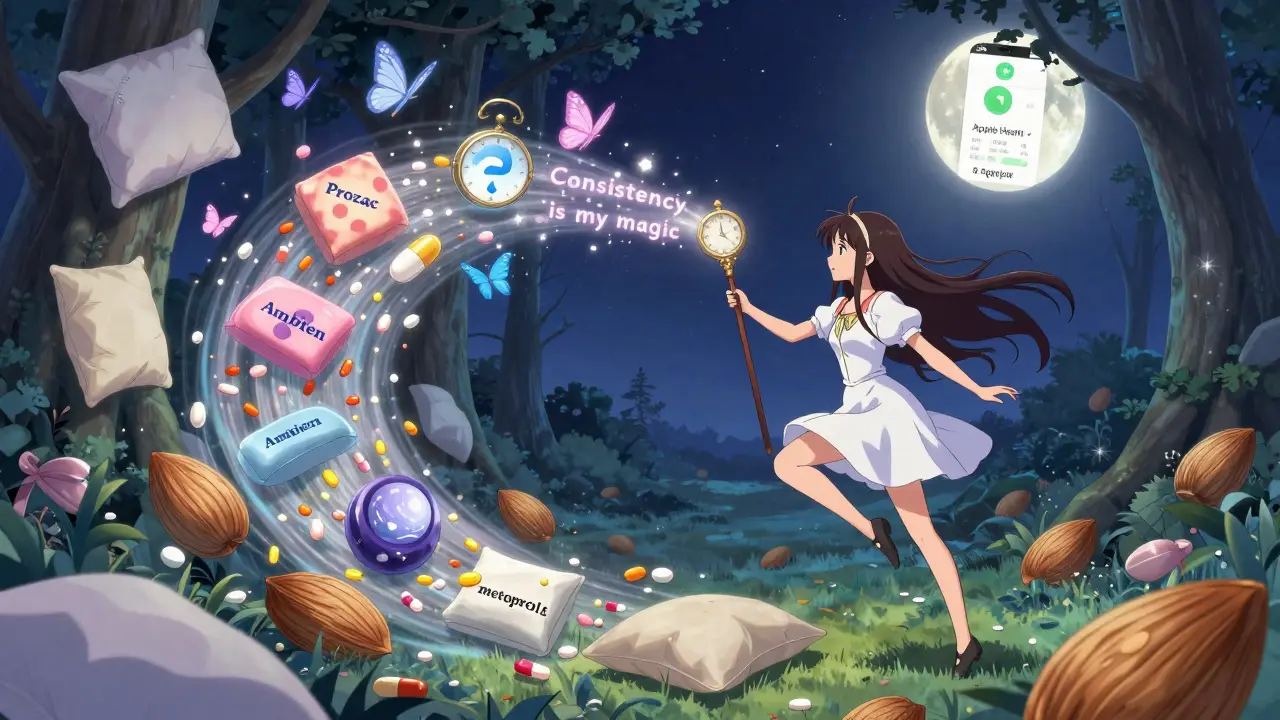
What’s Changing in 2026
The tide is turning. Prescription sleep meds are down 22.4% since 2019. Meanwhile, digital CBT-I apps like Sleepio and Somryst have seen 347% growth. Why? Because insurance companies are catching on. Nearly 9 out of 10 major U.S. health plans now cover these programs. Twenty-eight states now require doctors to document sleep hygiene education before prescribing long-term sleep meds. Apple’s iOS 17 Health app now gives you a personalized sleep disruption risk score based on your meds. If you’re on metoprolol, it tells you to get morning light. If you’re on zolpidem, it warns you not to take it unless you can sleep 8 hours. It’s not magic. It’s data-from FDA reports, clinical trials, and patient studies-put into your pocket.Start Here: Your 7-Day Sleep Hygiene Plan
You don’t need to change everything at once. Pick one thing and stick with it for seven days.- Day 1-7: Wake up at the same time every day, no exceptions. Set an alarm-even on weekends.
- Day 3-7: Get 30 minutes of bright light within 30 minutes of waking. Use a window or a light box.
- Day 5-7: Turn off all screens and bright lights after 8 p.m. Use a dim red bulb if needed.
- Day 7: Check your meds with your doctor. Ask: “Could this be affecting my sleep?”
When to Talk to Your Doctor
If you’ve tried sleep hygiene for 3-4 weeks and your sleep hasn’t improved-or if you’re having side effects like sleepwalking, memory blackouts, or falls-talk to your provider. They might be able to switch your med, adjust the dose, or time it differently. Don’t assume your doctor knows your sleep issues. Many don’t ask. Bring your sleep log. Note what time you go to bed, wake up, and how you feel in the morning. Mention if you’re using sleep meds. Ask about CBT-I. It’s now covered by most insurance and works better than pills for long-term sleep.Final Thought: Your Sleep Isn’t Broken-Your System Is Out of Sync
Medications don’t destroy sleep. They throw it off balance. And balance can be restored. You don’t need more drugs. You need better timing, better light, better habits. Sleep hygiene isn’t about perfection. It’s about progress. One day at a time.Can sleep hygiene replace sleep medications entirely?
For many people, yes-especially those with chronic insomnia. The American College of Physicians recommends cognitive behavioral therapy for insomnia (CBT-I), which includes sleep hygiene, as the first-line treatment. Medications are meant to be temporary. Sleep hygiene addresses the root causes of poor sleep, not just the symptoms. Some people still need meds short-term, but with good sleep hygiene, they often need lower doses or stop them altogether.
Why do beta blockers make it hard to sleep?
Beta blockers like metoprolol and atenolol reduce the body’s production of melatonin by about 37%. Melatonin is the hormone that tells your brain it’s time to sleep. When levels drop, your internal clock gets confused. Even if you take the pill in the morning, the effect lasts all day, making it harder to fall asleep at night. Morning light therapy can help counteract this.
Is it safe to take Ambien if I’m on antidepressants?
It can be, but only under close supervision. Antidepressants like fluoxetine can interact with zolpidem, increasing the risk of next-day drowsiness, memory problems, and even complex sleep behaviors like sleep-driving. The FDA requires a black box warning on zolpidem for this reason. If you’re on both, your doctor should review your dose, timing, and sleep hygiene habits. Never take Ambien unless you can sleep 7-8 hours straight.
How long does it take for sleep hygiene to work with meds?
Most people see small improvements in 7-10 days, especially with consistent wake times and light exposure. Significant changes-like reduced next-day grogginess or needing less medication-usually take 3-6 weeks. The key is consistency. Missing a day or two won’t ruin progress, but giving up too soon will.
Can magnesium supplements help with medication-related insomnia?
Yes. A 2020 study in Nutrients found that magnesium supplementation reduced insomnia severity by 34.7 points on the Insomnia Severity Index. It helps calm the nervous system and supports melatonin production. Foods like almonds, spinach, and black beans are great sources. If you take a supplement, choose magnesium glycinate or citrate-they’re better absorbed and less likely to cause digestive upset.
What’s the biggest mistake people make with sleep hygiene and meds?
Trying to fix everything at once. People often quit because they don’t see instant results. The biggest mistake is skipping the wake-up time rule. Your body needs consistency more than anything else. If you wake up at 7 a.m. Monday and 10 a.m. Saturday, your brain never learns when to sleep. Fix that first, and everything else gets easier.
Hilary Miller
January 23, 2026 AT 03:37Brenda King
January 24, 2026 AT 22:31Keith Helm
January 25, 2026 AT 17:35Daphne Mallari - Tolentino
January 26, 2026 AT 13:18arun mehta
January 26, 2026 AT 22:04Chiraghuddin Qureshi
January 28, 2026 AT 11:40Kenji Gaerlan
January 29, 2026 AT 22:26Oren Prettyman
January 31, 2026 AT 07:03